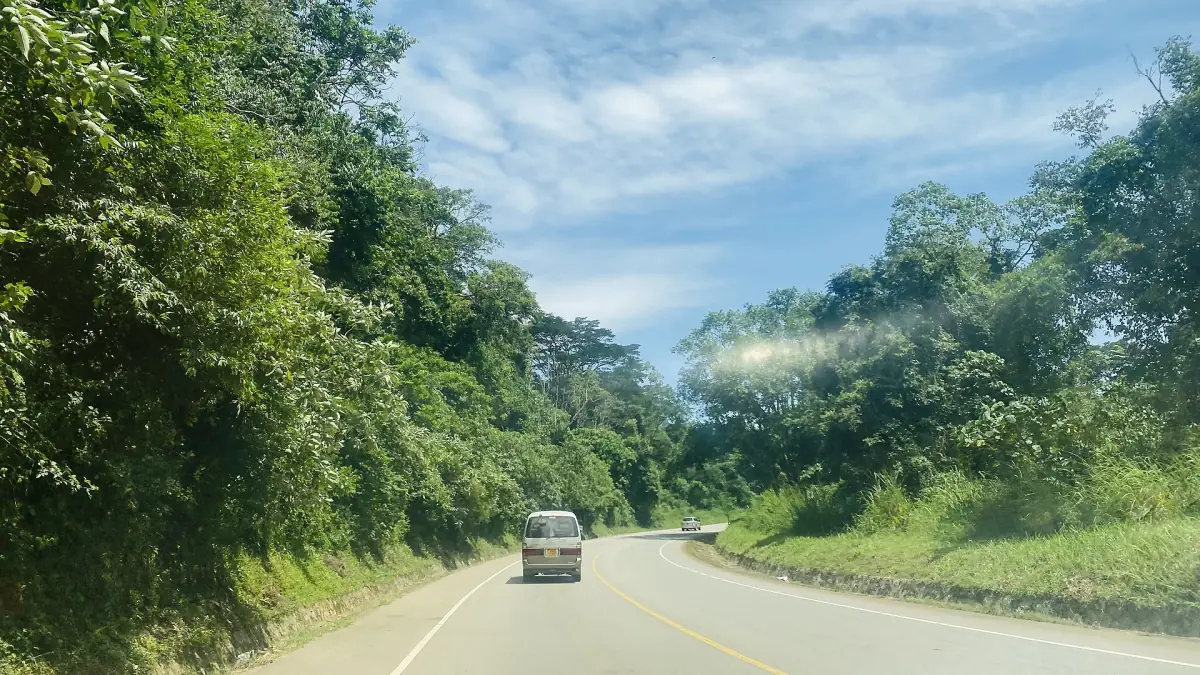
From forest reserve to national park
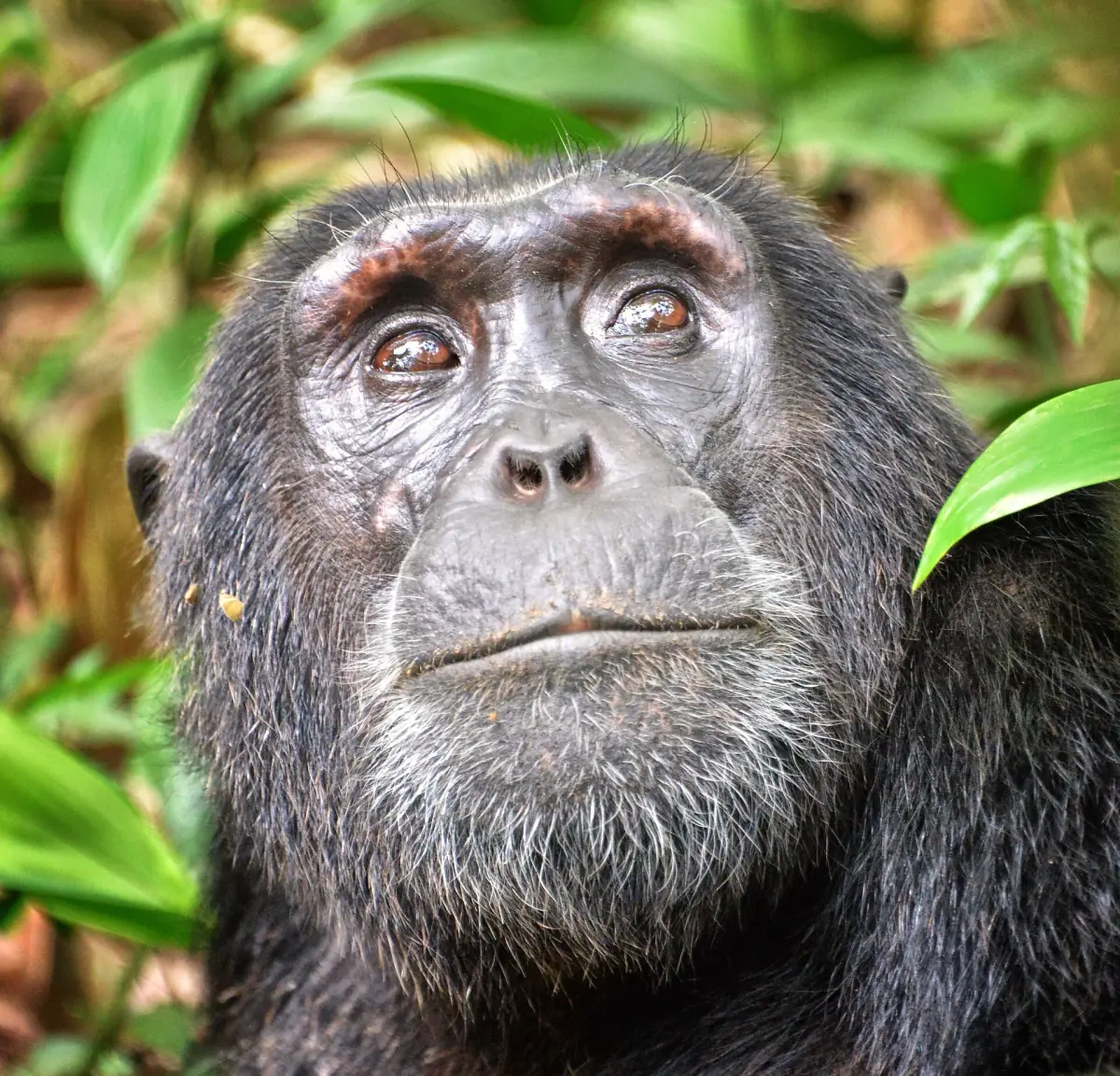
The story of Kibale is a change of purpose. For decades the forest was managed for timber and charcoal. From the mid 1980s conservation became the aim, and in 1993 the area became a national park. Today the main reason to visit is chimpanzee trekking in Kibale.
The page also covers the research stations that made Kibale known to scientists around the world.
Kibale National Park history: a timeline
The main steps, in order.
| Year | What happened |
|---|---|
| 1930 | The forest is a Crown Forest, used for timber and charcoal |
| Before 1964 | The area becomes a forest reserve |
| 1964 | A corridor game reserve is established |
| 1970 | Thomas Struhsaker starts the Kibale Forest Project |
| Mid 1980s | Conservation becomes the aim of forest management |
| 1987 | The research project passes to Makerere University |
| 1992 | People living in the corridor are resettled in Kibaale District |
| 1993 | Forest reserve and corridor game reserve join as Kibale National Park |
| 1995 | Continuous observation of the Ngogo chimpanzees begins |
For most readers, the key dates are 1930, 1970 and 1993: the Crown Forest, the research and the park.
Our pick: four days in and around Kibale
Four days around Kibale with an experienced guide and a Bigodi swamp walk.
Hand-picked tours, booked through GetYourGuide. Prices are indicative starting prices in US dollars (as of October 2026). Tap a tour for live availability and the current price in your currency.
Kibale tours and chimpanzee treks
Guided Kibale trips and chimpanzee treks from Fort Portal and Kampala, with live prices and availability. Check what each trip includes before you book.
Timber, game reserve and park
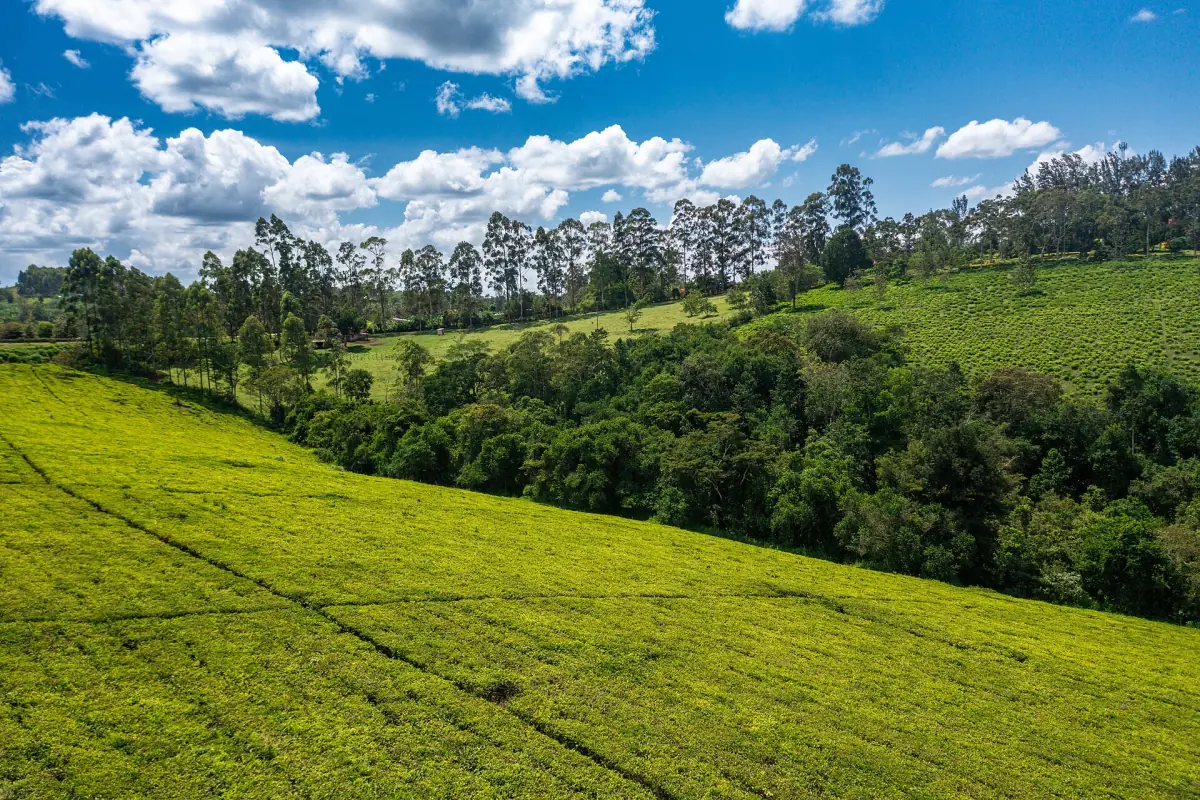
In 1930 the forest was a Crown Forest, and its purpose was timber and charcoal. It later became a forest reserve. A corridor game reserve was set up in 1964. In the mid 1980s the aim of the forest changed to conservation.
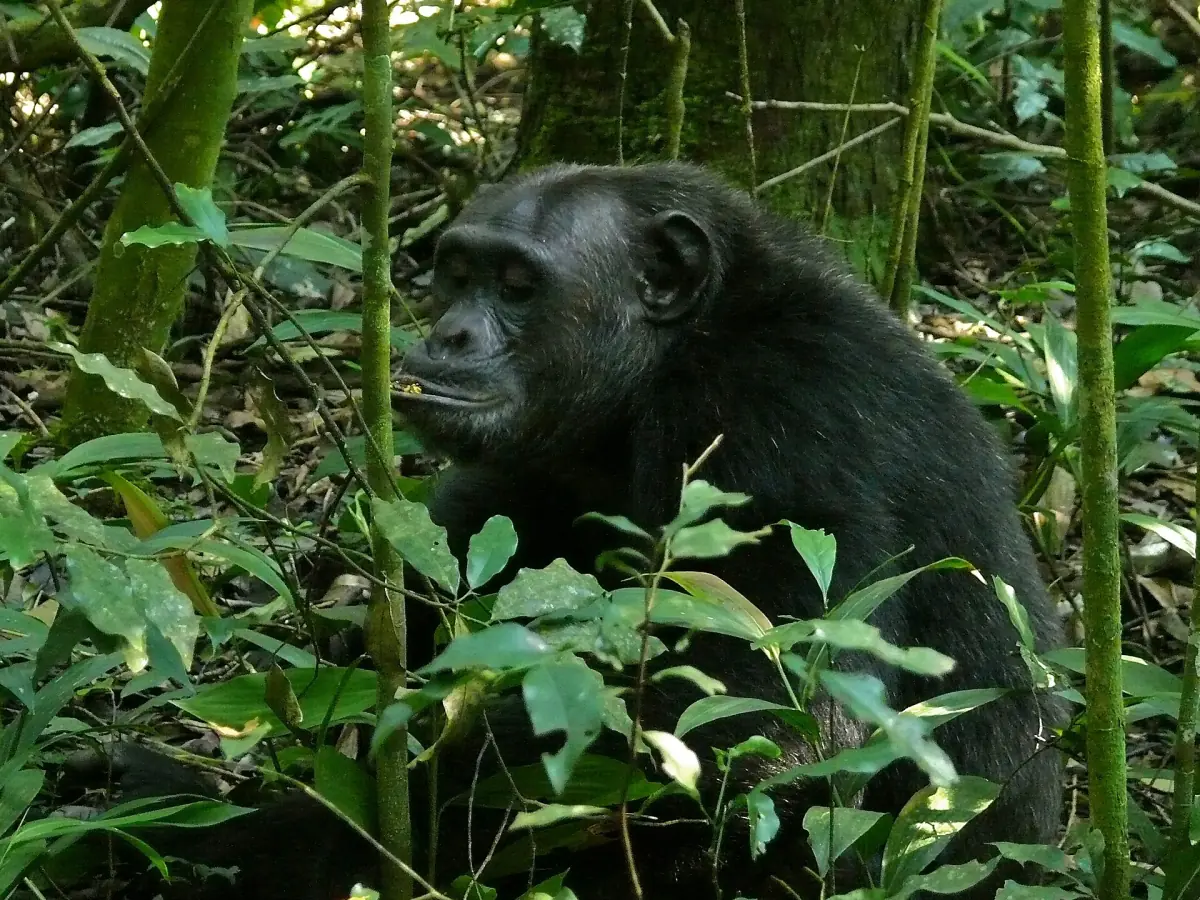
In 1993 the forest reserve and the corridor game reserve were joined into Kibale National Park. Visitors reach the park today through the Kanyanchu visitor centre. Our guide to the primates of Kibale tells you what lives in the forest now.
People, resettlement and research
Two parts of the history that visitors should know.
Resettlement in 1992
The park authority puts the number at about 13,000 people in the corridor who were cleared and resettled in Kibaale District in 1992. Kibaale District, spelled with two a's, is a different place from Kibale National Park, so do not mix them up when you read about the area.
The Kibale Forest Project
Thomas Struhsaker began the Kibale Forest Project in 1970. Before he left in 1987, he passed it to Makerere University. The main research site is Kanyawara, and a second site is Ngogo. This is a research history, not a visitor programme.
Ngogo today
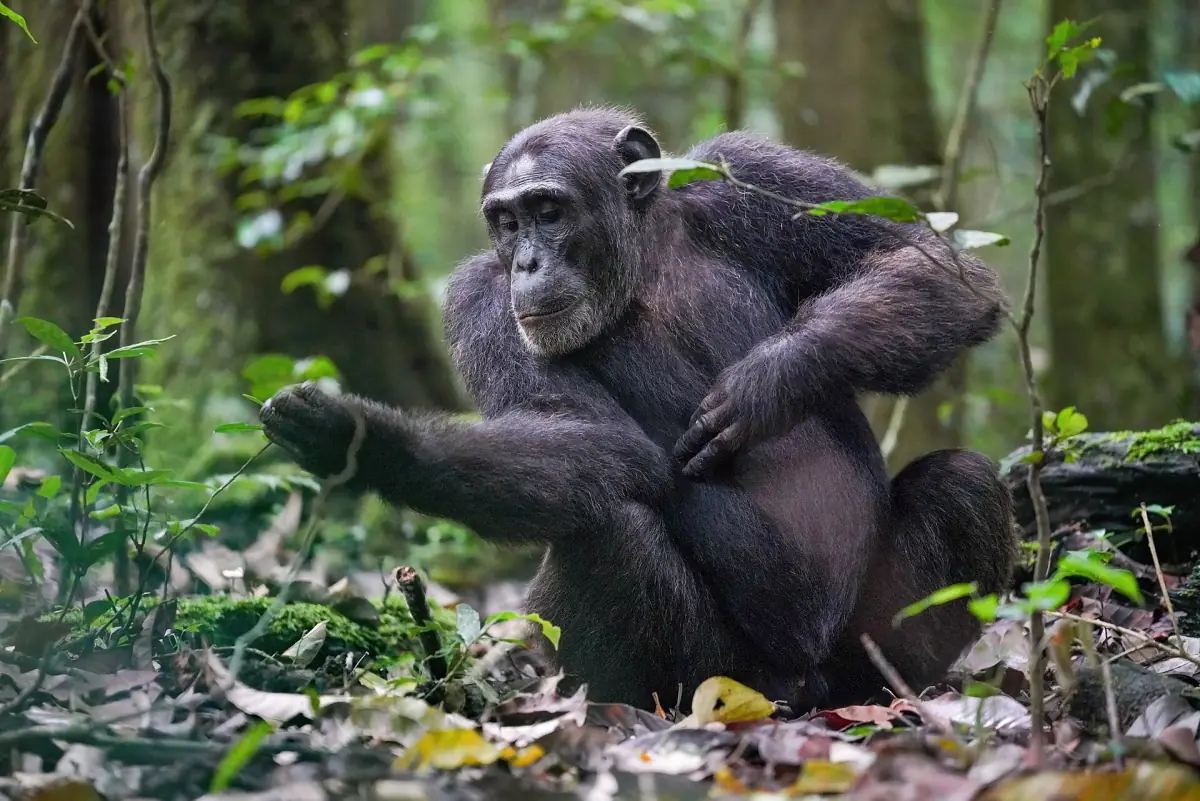
Researchers have observed the chimpanzees at Ngogo continuously since 1995. A study published on 9 April 2026 describes the split of the large community there. You can read more in our chimpanzee guide.
What you see now
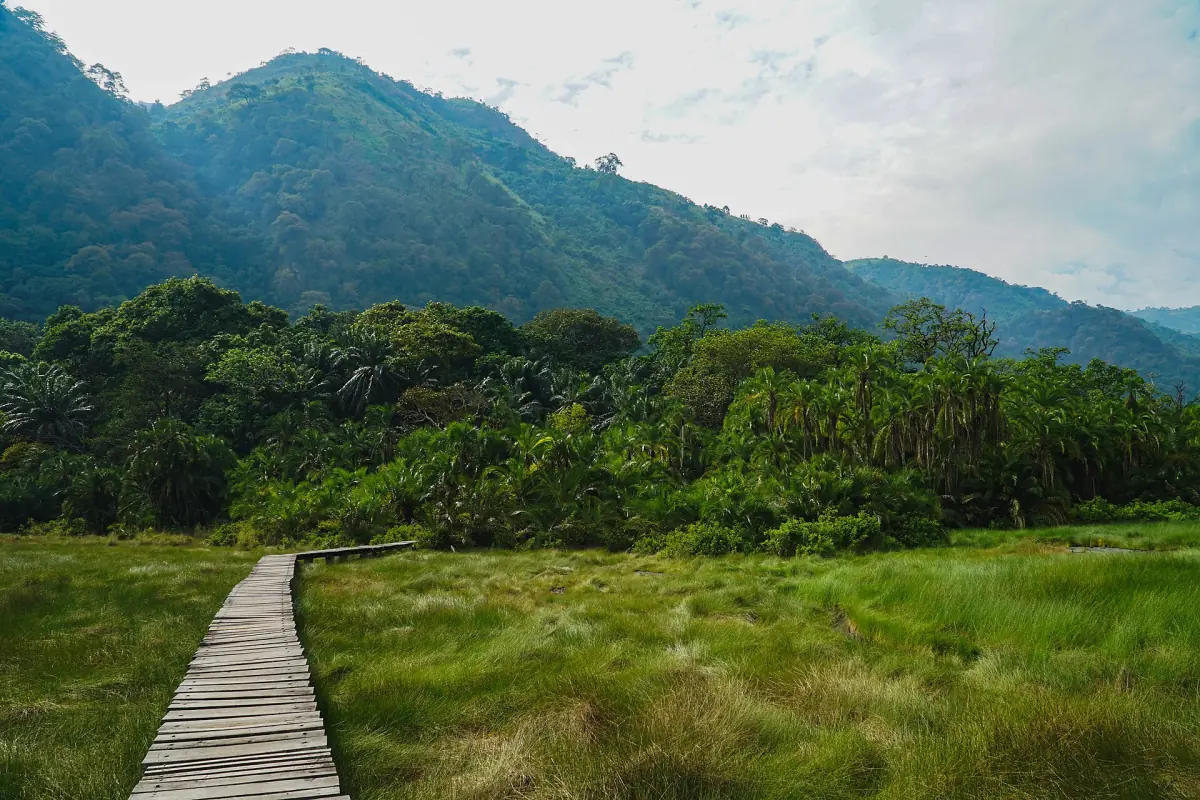
Visitors do not enter the research areas. Regular chimpanzee tracking starts at Kanyanchu, and the Bigodi wetland has its own community walk.
History you can see on a visit
Where the past meets the present.
The visitor centre at Kanyanchu
Every chimpanzee trek starts here. The park exists because the forest was set aside, first as a reserve and then as a national park, and the rules you hear in the briefing belong to that history.
A community project from 1992
In the same year as the resettlement, KAFRED was founded to protect nature outside the state protected areas and to benefit the community. Today it runs the Bigodi Wetland Sanctuary.
A park from the same year
Semuliki also became a national park in 1993. It had been a forest reserve since 1932. Read about Semuliki National Park.
Keep exploring Kibale
Pages that connect to the story above.

Kibale history: frequently asked questions
When did Kibale become a national park?
In 1993, when the forest reserve and the corridor game reserve were joined.
What was Kibale before it was a park?
A Crown Forest in 1930, used for timber and charcoal. It was later a forest reserve, and a game reserve covered the corridor from 1964.
Who started research in Kibale?
Thomas Struhsaker began the Kibale Forest Project in 1970. It passed to Makerere University in 1987, with the main site at Kanyawara and a second site at Ngogo.
Are Kibale and Kibaale the same place?
No. Kibale is the national park near Fort Portal. Kibaale is a district where people from the corridor were resettled in 1992.
What happened to the people living in the corridor?
About 13,000 people were cleared and resettled in Kibaale District in 1992, in the park authority's account.